Source organic vegan salicylic acid gel for acne, pores, and skin
Find 30 options for organic vegan salicylic acid gel designed for daily body cleansing, acne treatment, and deep hydration. Compare features like gentle care, multi-action benefits, and customizable packaging from suppliers in Guangdong, China.
Key considerations
Products List








Comprehensive Sourcing Guide
Sourcing Guide for Organic Vegan Salicylic Acid Gel Procurement
Understanding Product Specifications and Formulation Profiles
When sourcing an organic vegan salicylic acid gel, buyers must first establish a precise understanding of the product's technical architecture. The core keyword implies a formulation that balances active acne-fighting ingredients with gentle, plant-based components. Based on available market data, the product form is consistently identified as a gel, designed specifically for body application and daily bath cleansing. This distinction is critical, as gels offer a different sensory experience and absorption profile compared to creams or lotions, often preferred for their cooling effect and ability to penetrate oily skin without leaving a heavy residue.
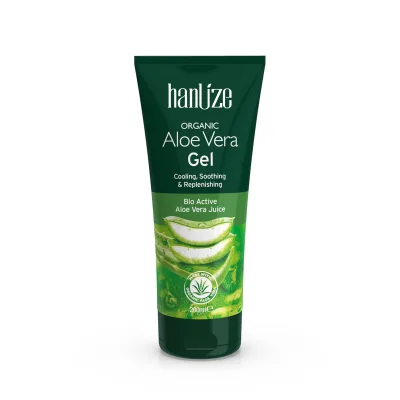
The formulation profile for these gels typically centers on Salicylic Acid as a primary active ingredient, known for its ability to unclog pores and fight blemishes. However, the "organic" and "vegan" attributes require a careful review of the supporting ingredient list. Observed specifications indicate a complex blend of botanical extracts and hydrating agents. Common ingredients include Aloe Vera, Green Tea Extract, Hyaluronic Acid, and Giant Kelp Extract. These components serve to counteract the potential drying effects of salicylic acid, ensuring the product remains "Gentle Cleanse Without Stripping." Furthermore, the presence of Saccharide Isomerate and Apple or Watermelon extracts suggests a focus on moisture lock and skin revitalization.
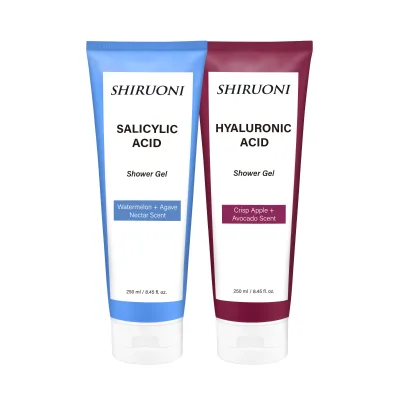
Buyers should note that while the core active is salicylic acid, the "Main Ingredient" lists in various product listings often highlight Aloe Vera, Glycerin, and Shea Butter. This indicates a multi-action approach where the gel not only treats acne but also provides deep hydration and softens rough skin. The product is generally marketed for all skin types, including sensitive skin, and is formulated to support hydration and strengthen the skin barrier. The volume of these gels typically ranges from 120g to 300ml, with 250mL being a standard size for regular packaging. The physical appearance often varies, with observed color options including blue and crimson, which may be derived from natural botanical sources or added for brand differentiation.
Compliance, Certification, and Regulatory Standards
Navigating the regulatory landscape is a paramount concern for B2B buyers sourcing cosmetic and personal care products. The "organic" and "vegan" claims are not merely marketing terms but require substantiation through specific certifications and adherence to international standards. In the context of the current market data, products are frequently associated with certifications such as CE, GMP (Good Manufacturing Practice), and MSDS (Material Safety Data Sheet). These documents are essential for verifying that the manufacturing facility adheres to quality management systems and that the chemical composition of the gel is safe for human use.
The CE marking indicates conformity with health, safety, and environmental protection standards for products sold within the European Economic Area. For buyers targeting international markets, verifying the validity of the CE certification is a non-negotiable step. Similarly, GMP certification ensures that the product is consistently produced and controlled according to quality standards, which is crucial for maintaining the integrity of the salicylic acid concentration and the stability of the botanical extracts. The MSDS provides detailed information on the hazards, handling, and storage of the product, which is vital for logistics and safety compliance.
Buyers must also scrutinize the "organic" and "vegan" claims against recognized standards. While the product attributes list "Naturally Derived," "Vegan," and "Botanical Notes" as advantages, the specific certification bodies (such as USDA Organic, Ecocert, or Vegan Society) are not explicitly confirmed in the general data. Therefore, procurement teams should request specific certification documents from potential suppliers to validate these claims. The absence of a specific organic certification in the general listing does not negate the possibility of organic ingredients, but it necessitates a deeper audit of the supply chain. Additionally, the product standard often references specific volumes like 150ml, 250ml, or 300ml, which must align with local labeling regulations in the destination market.
Cost Drivers and Pricing Structure Analysis
The pricing structure for organic vegan salicylic acid gels is influenced by a complex interplay of factors, including raw material costs, formulation complexity, and customization requirements. The observed listed price range in the market spans from $0.18 to $300 USD. This wide variance is not indicative of a single product tier but rather reflects differences in volume, packaging, branding, and the level of customization involved. The lower end of the spectrum typically corresponds to bulk raw materials or unbranded generic formulations, while the higher end often includes premium packaging, private labeling services, and extensive R&D for unique scent profiles.
A significant cost driver is the Minimum Order Quantity (MOQ). The data indicates an MOQ of 1000 pieces for standard configurations, though some listings suggest a range of 1 to 10,000 units. Higher MOQs generally correlate with lower unit costs due to economies of scale in production and packaging. However, for buyers seeking custom formulations or private labels, the MOQ may be higher, and the unit price will reflect the additional costs of mold creation, custom bottle design, and label printing. The "Custom" brand name attribute suggests that many suppliers offer OEM (Original Equipment Manufacturer) and ODM (Original Design Manufacturer) services, which inherently add to the cost structure.
Another critical factor is the lead time, which is observed to be between 15 and 26 days. This production window impacts the overall cost of goods sold (COGS) by influencing inventory holding costs and cash flow. Buyers must factor in the time required for quality control checks, packaging assembly, and shipping logistics. The single gross weight of 1.000 kg and package size of 10x5x5 cm also influence shipping costs, particularly for air freight. When evaluating cost, buyers should look beyond the unit price and consider the total landed cost, which includes freight, duties, and potential tariffs. The availability of customization, such as private packaging and custom scents like Watermelon + Agave Nectar or Apple + Avocado, will also add a premium to the base price.
Typical Applications and Market Positioning
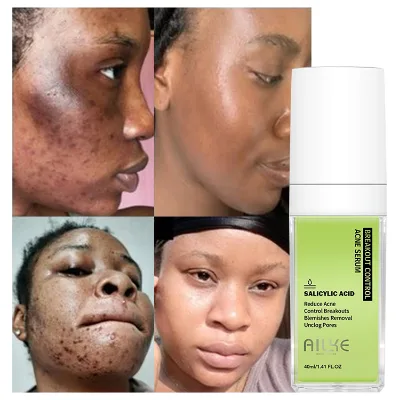
The primary application for organic vegan salicylic acid gels is daily body cleansing, specifically targeting skin concerns such as acne, blackheads, and blemishes. The product is designed to be a multi-action solution that not only cleanses but also treats and improves skin texture. Key features observed in the market include the ability to unclog pores, fight blemishes, smooth rough skin, and soothe irritation. This positions the product as a therapeutic body wash rather than a simple cleanser, appealing to consumers with specific skin needs.
The market positioning is further refined by the inclusion of soothing and hydrating ingredients. The presence of Aloe Vera, Hyaluronic Acid, and Green Tea Extract allows the product to claim "Deep Hydration" and "Moisture Lock," making it suitable for all skin types, including sensitive skin. This dual functionality—treating acne while maintaining hydration—is a strong selling point in the competitive personal care market. The product is also marketed with a focus on "Gentle Care," ensuring that the salicylic acid does not strip the skin of its natural oils, a common concern for users of acne treatments.
In terms of usage, the gel is intended for daily bath body cleansing, making it a staple item in a consumer's hygiene routine. The scent profiles, such as Watermelon + Agave Nectar and Apple + Avocado, add a sensory dimension that enhances the user experience. These botanical notes align with the "organic" and "vegan" positioning, appealing to eco-conscious consumers who prefer natural fragrances over synthetic ones. The product is also marketed with features like "Firming," "Lightening," and "Anti-Wrinkle," suggesting a broader appeal beyond just acne treatment, targeting consumers interested in overall skin revitalization and anti-aging benefits.
Supplier Evaluation and Verification Protocols
Selecting the right supplier for organic vegan salicylic acid gels requires a rigorous evaluation process that goes beyond surface-level product descriptions. Buyers should prioritize suppliers who demonstrate transparency in their manufacturing processes and provide comprehensive documentation. The "Place of Origin" is identified as Guangdong, China, a major hub for cosmetic manufacturing. While this region offers access to a vast supply chain and competitive pricing, it also necessitates careful due diligence to ensure quality and compliance.
Key evaluation criteria include the supplier's ability to provide OEM and ODM services, as indicated by the "Service" attribute. Buyers should assess the supplier's flexibility in customization, including the ability to adjust formulas, packaging, and branding. The "Customization" attribute suggests that suppliers are open to client-specific requirements, but the extent of this flexibility should be verified. Additionally, the supplier's track record in handling certifications like CE, GMP, and MSDS is crucial. Buyers should request copies of these certificates and verify their validity with the issuing bodies.
Quality control capabilities are another critical factor. Suppliers should have robust internal testing protocols to ensure consistency in the salicylic acid concentration and the stability of the botanical extracts. The "Shelf Life" of 3 years is a significant advantage, but buyers must verify that the supplier has the necessary storage and handling procedures to maintain product integrity during this period. The "Lead Time" of 15-26 days should be evaluated in the context of the supplier's production capacity and ability to meet urgent orders. Finally, buyers should consider the supplier's responsiveness and communication style, as these factors can significantly impact the success of the procurement process.
Quality Control and Long-Term Procurement Considerations
Ensuring consistent quality in organic vegan salicylic acid gels requires a proactive approach to quality control and long-term relationship management. Buyers should implement a multi-stage quality assurance process that includes pre-production sampling, in-process inspections, and final product testing. The "Single package size" of 10x5x5 cm and "Single gross weight" of 1.000 kg should be verified against the agreed specifications to ensure packaging consistency. Any deviations in size or weight could indicate issues with the filling process or packaging materials.
Long-term procurement considerations involve building a sustainable supply chain that can adapt to changing market demands. The "Custom" brand name and "Private Customize Packaging" attributes highlight the importance of brand identity in the product's success. Buyers should work closely with suppliers to develop a unique product identity that resonates with their target audience. This includes selecting the right scent profiles, such as Watermelon + Agave Nectar or Apple + Avocado, and ensuring that the packaging design aligns with the brand's values.
Furthermore, buyers should monitor the stability of the product over time. The "Shelf Life" of 3 years is a key metric, but it is essential to verify that the product maintains its efficacy and safety throughout this period. Regular quality audits and periodic testing of the salicylic acid concentration and botanical extract potency can help ensure that the product remains consistent. Finally, buyers should consider the environmental impact of their procurement decisions, aligning with the "Vegan" and "Naturally Derived" attributes of the product to support sustainability goals. By focusing on these long-term considerations, buyers can secure a reliable supply of high-quality organic vegan salicylic acid gels that meet both consumer expectations and regulatory requirements.
FAQs
What certifications do the organic vegan salicylic acid gels have?
The products hold CE, GMP, and MSDS certifications to ensure safety and quality. These documents verify compliance with health standards and manufacturing practices for international distribution.
How long is the lead time for production orders?
Production lead times range from 15 to 26 days for standard orders. This timeline covers manufacturing, quality control, and packaging preparation before shipment from the Guangdong facility.
Can I customize the packaging and branding for this gel?
Yes, OEM and ODM private label services are available for customization. Buyers can request specific packaging designs, custom scents like watermelon or apple, and tailored bottle sizes.
What is the minimum order quantity for these shower gels?
The standard minimum order quantity is 1000 pieces for most configurations. Some listings indicate a flexible range from 1 to 10000 units depending on the specific product model selected.
Which ingredients are used in the main formulation?
Key ingredients include salicylic acid, aloe vera, green tea extract, and hyaluronic acid. These components work together to unclog pores while providing deep hydration and gentle care.
Where are these organic vegan gels manufactured?
The products originate from Guangdong, China, a major manufacturing hub. This location supports efficient production and logistics for global export of the specified body cleansing gels.